
Advancing Composite Helmet Engineering with Strategic’s Proprietary Resin Transfer Molding Technology
It’s a difference you notice immediately: Strategic Sports’ carbon fiber helmet shells have an exquisite, precision finish quality rivaling what you’d expect to see in Formula One. It’s a difference that’s more than skin deep too…our carbon fiber helmet shells are consistently lighter and stronger than others out there, and it comes from our own proprietary resin transfer molding process.

Resin transfer molding itself has been used in composites for decades for a wide variety of sports products, including helmets. However manufacturers have struggled to produce consistent high quality results. Strategic Sports has spent years refining this manufacturing method and now operates with a proprietary resin transfer molding technology that outperforms the processes used by most helmet factories. Our newest tools, equipment, and process controls allow us to achieve levels of precision and consistency that set a new benchmark for composite shell manufacturing.
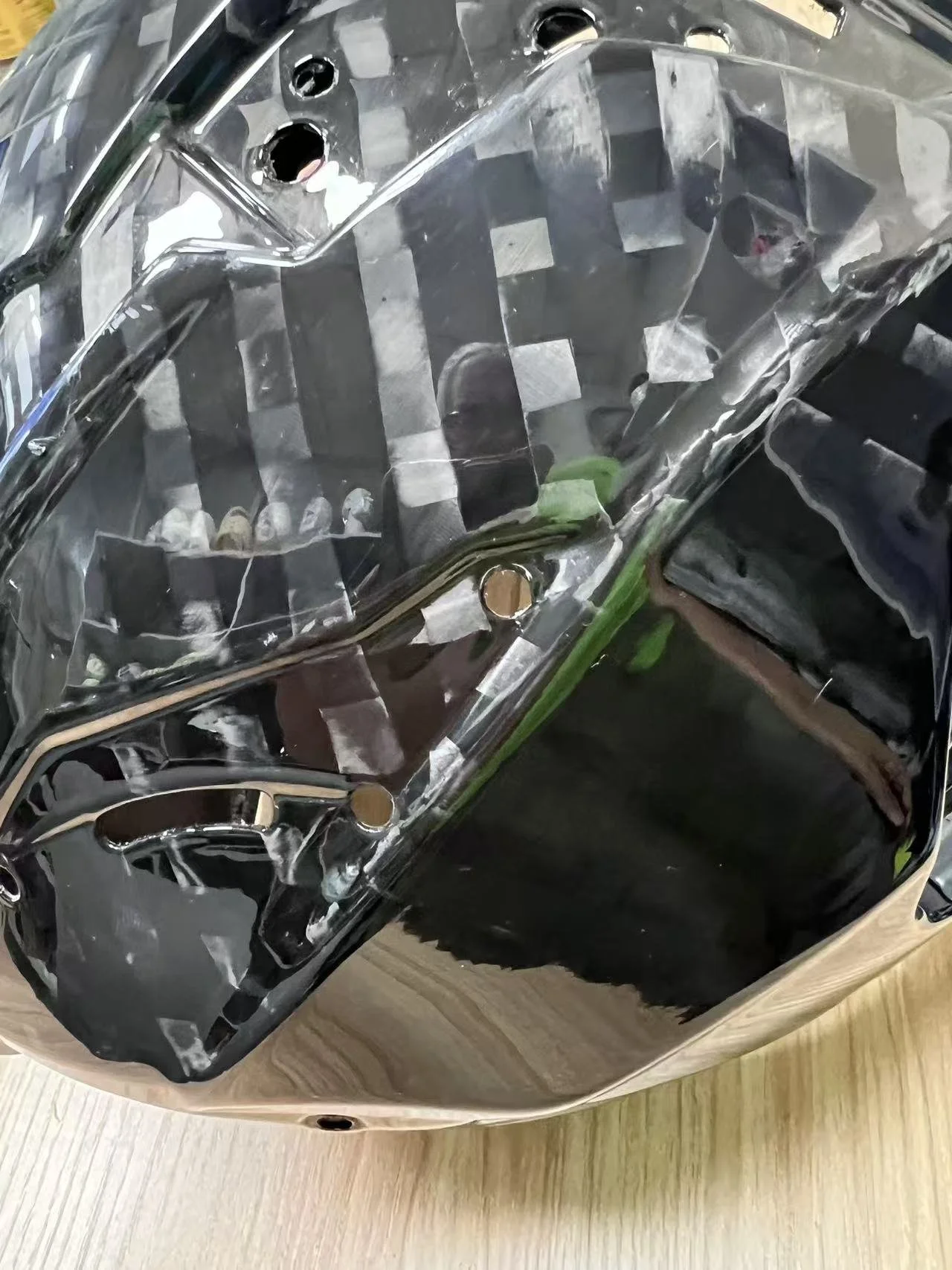
Helmet shells challenge every part of a standard resin transfer molding workflow. They cover a large surface area, feature complex edges and contours, and require exact distribution of resin throughout the fiber layers. Conventional resin transfer molding typically introduces resin from the perimeter and relies on the material flowing inward. This creates predictable problems in helmets. Areas far from the edge often become resin rich. Certain pockets trap and pool excess resin Other zones cure too dry, which reduces structural integrity. The result is a heavier shell with uneven strength and an inconsistent surface finish.
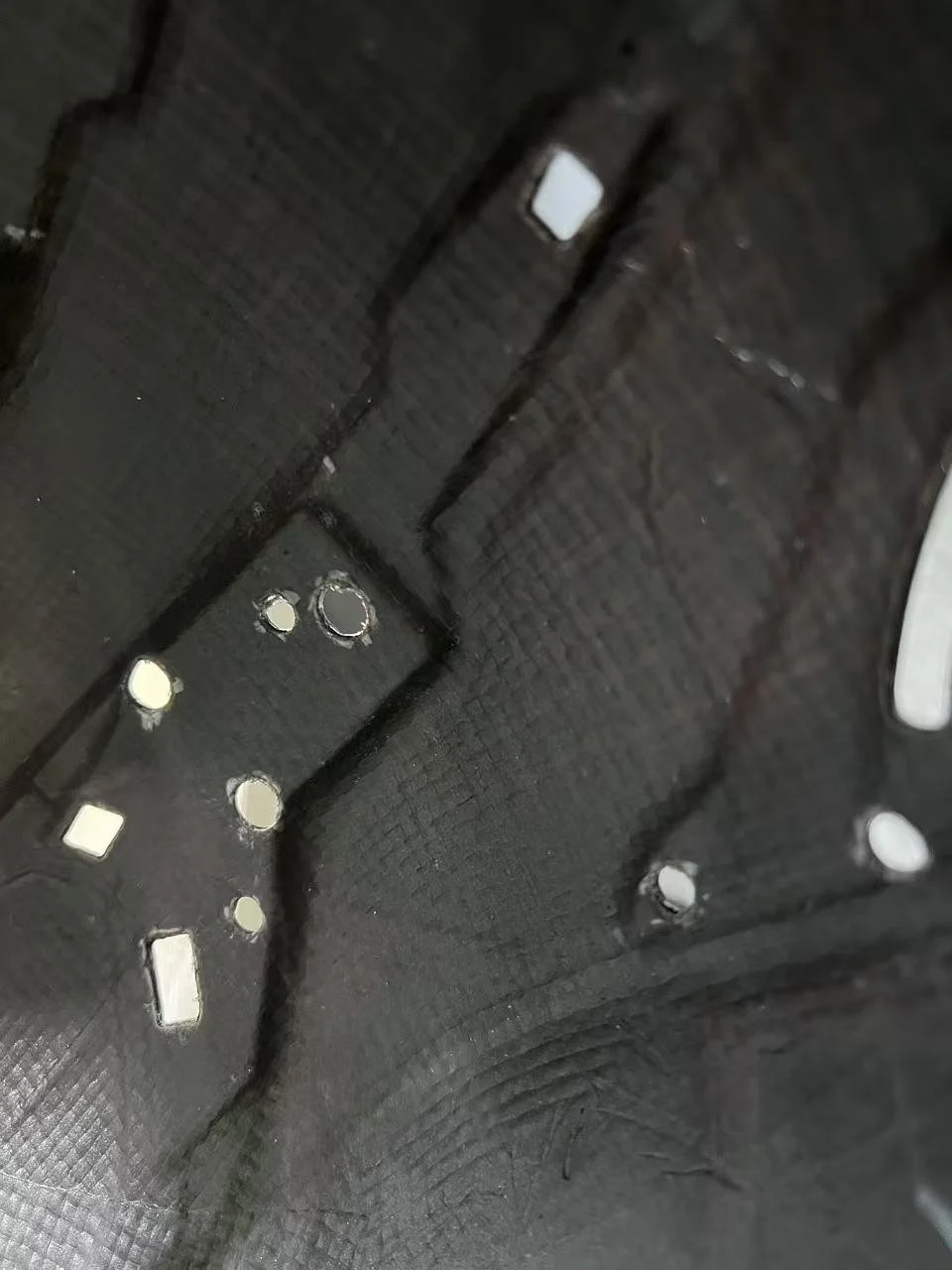
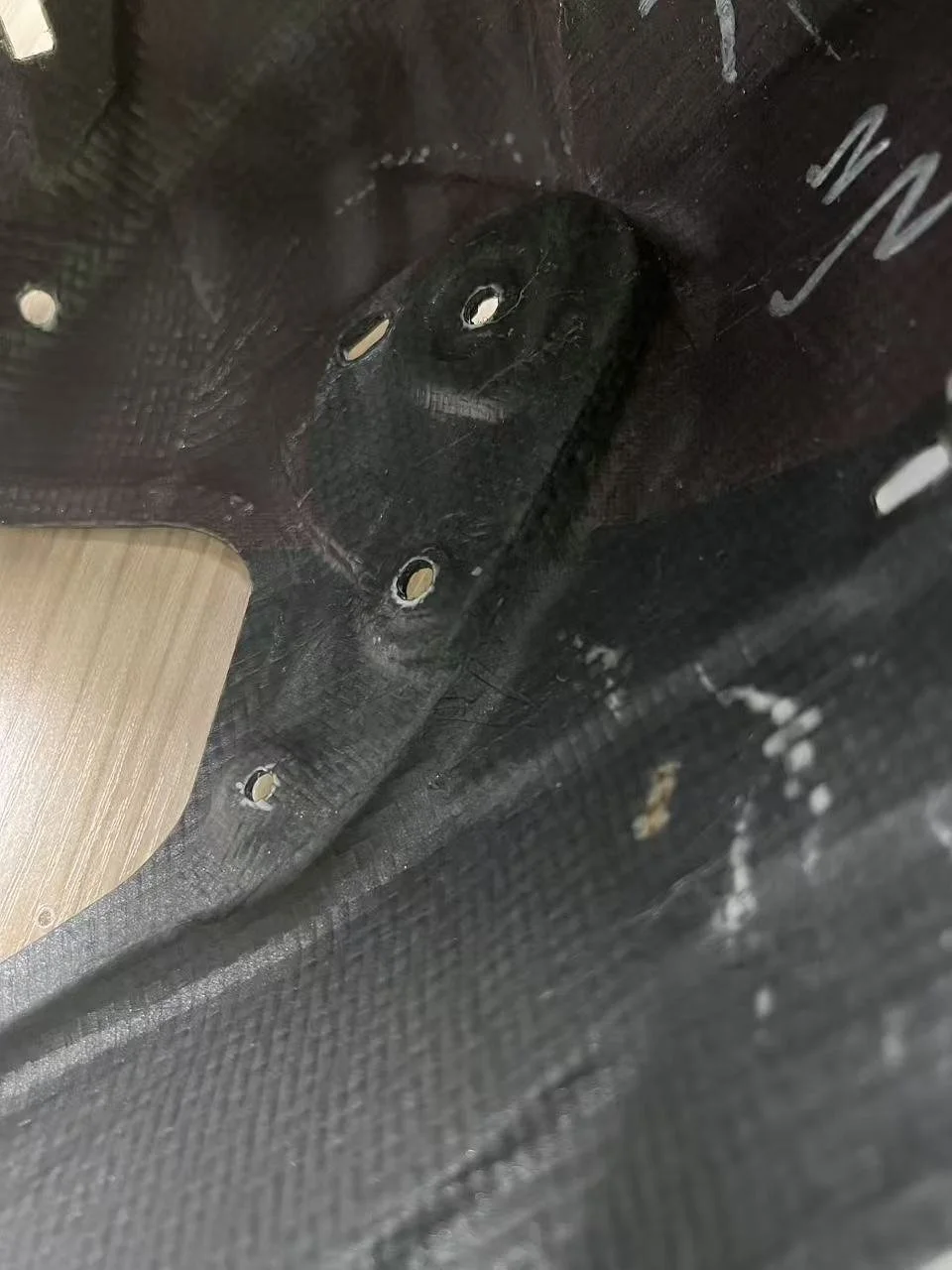
Strategic’s proprietary technology addresses these issues directly. While details of our exact method and machinery remain confidential, our system manages how resin travels, fills, and bonds within the laminate in a way that other widely practiced processes cannot match. The outcome is a controlled and even resin content across the entire shell. This unlocks several measurable improvements: lighter composite structures, higher repeatability in production, and stronger impact resistance because the fiber architecture maintains its intended mechanical properties throughout the shell.
On average, our resin transfer molding technology reduces shell weight by around 20 percent compared to traditional composite helmet shells. This weight reduction also reflects a more efficient use of materials because the laminate is no longer burdened by unnecessary resin pooling. Just as importantly, the finish quality becomes more uniform and refined across sharp angles, deep contours, and modern design transitions that would typically magnify flaws in a conventional process.
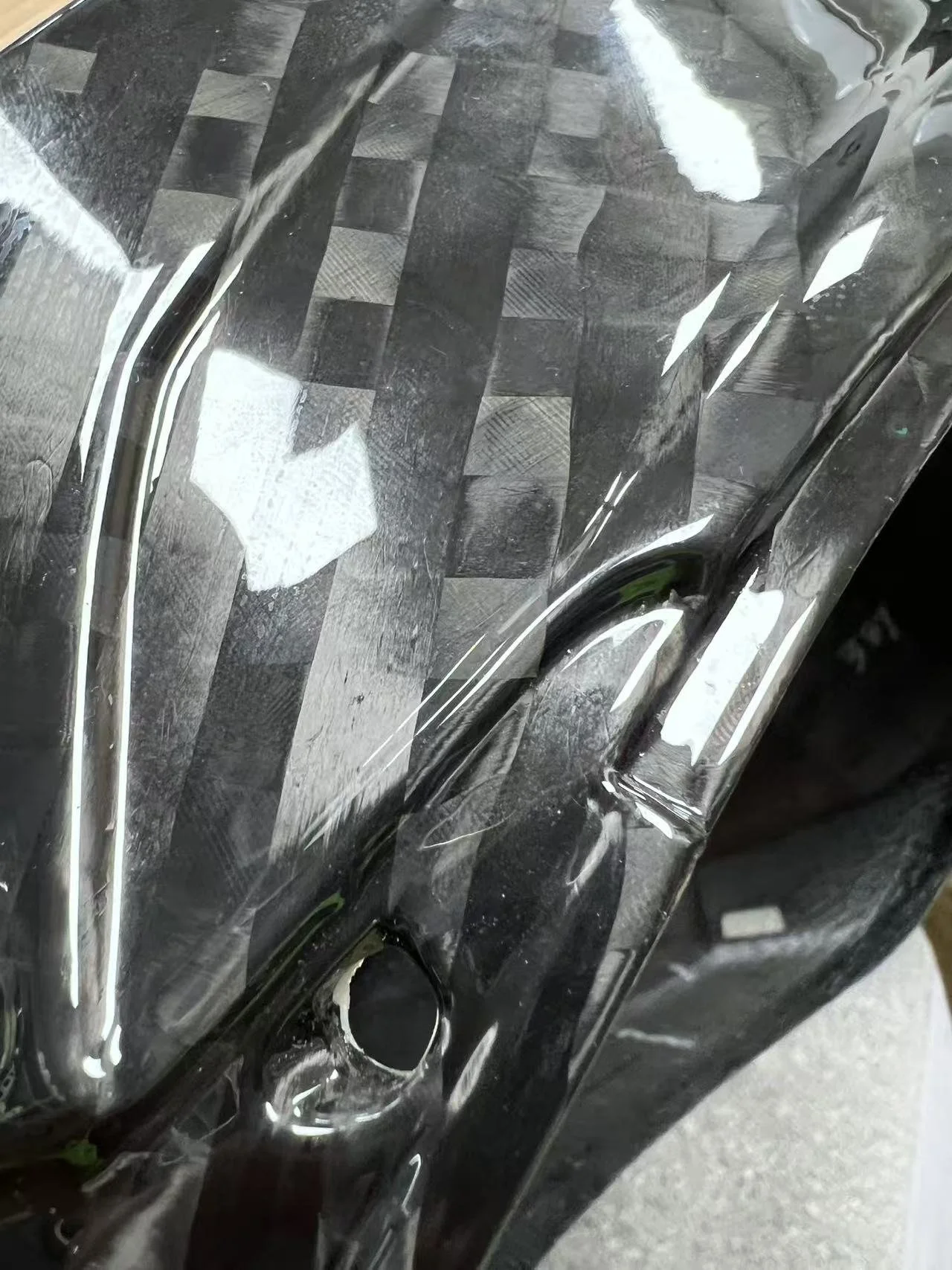
These gains are immediately noticeable in carbon fiber helmets, where riders expect both premium aesthetics and high structural performance. The benefits extend naturally to fiberglass shells as well, where the same improvements in consistency and resin control produce lighter and more durable products without increasing cost or complexity for our brand partners.
Strategic’s continuous investment in proprietary resin transfer molding technology demonstrates our long-term commitment to leading the industry in composite helmet engineering. By refining a known process and re-engineering it for the demands of today’s helmet designs, we have created a manufacturing capability that delivers lighter, stronger, and more visually precise shells. It is another example of how Strategic Sports advances the helmet industry through innovation that is practical, reliable, and rooted in deep technical expertise.