
Strategic Sports Co-Founder Dr. Philip Cheng Commemorated by CUHK for a Lifetime in Chinese Opera
The Chinese University of Hong Kong has commemorated Dr. Philip Cheng, co-founder of Strategic Sports, for a body of work most us at Strategic never knew about: four decades spent preserving, teaching, and promoting Chinese opera.
CUHK's library has built the Philip Cheng Chinese Opera Audio-visual Collection, a permanent digital archive drawn from recordings, program booklets, and performance footage that Dr. Cheng gathered over the course of his career. For more than forty years, much of it sat in the ceiling of his home before the university took it in and preserved it properly.

"My father spent forty years holding onto those tapes," said Norman Cheng, Managing Director of Strategic Sports. "Nobody made him do it. He just believed the material mattered, long before anyone else was ready to call it archive-worthy."
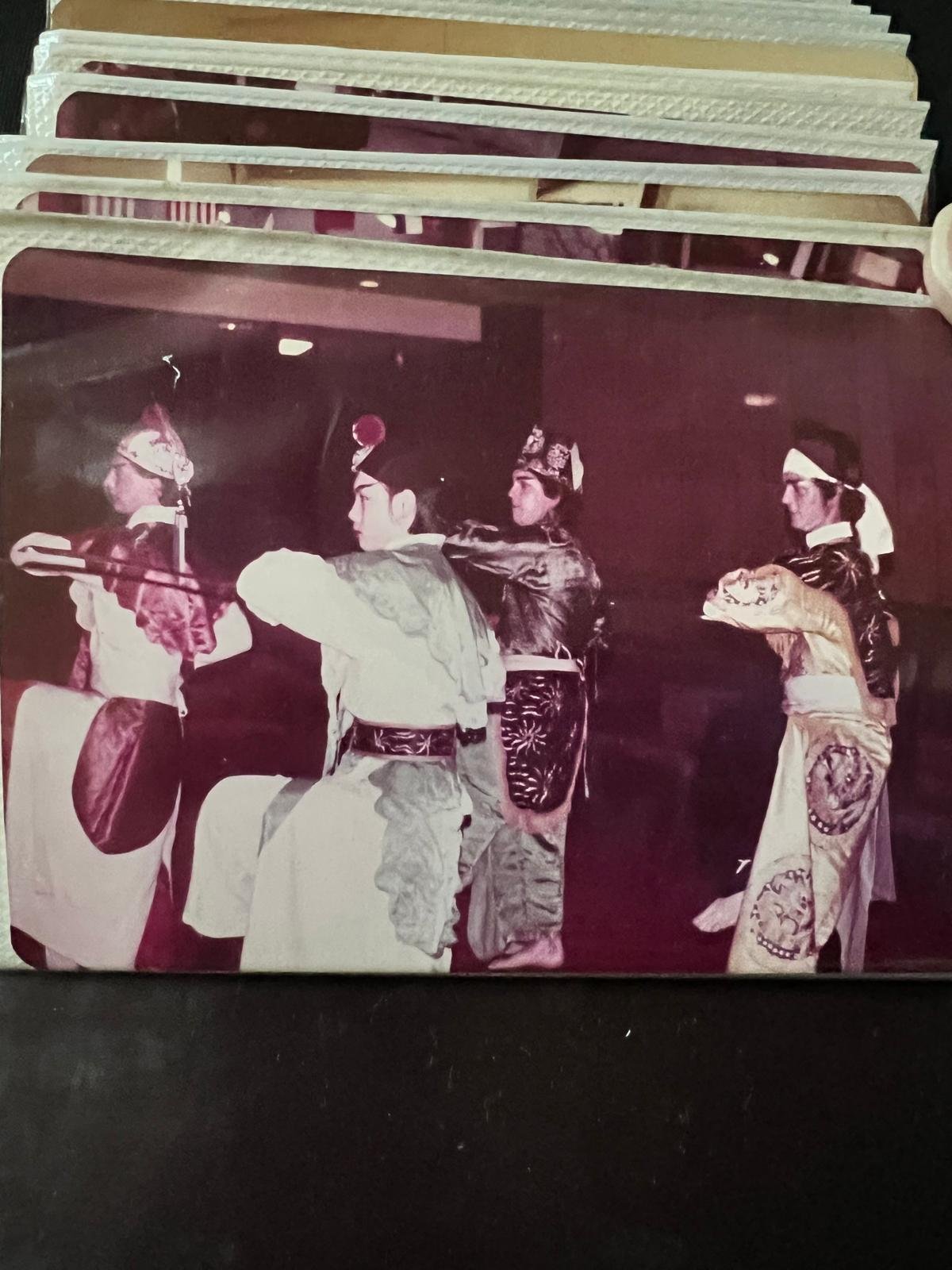
Before Strategic Sports, Dr. Cheng built an academic career around Chinese opera that started in his youth with a walk-on role in Peking Opera pieces The Empty Fort Stratagem. He delivered a line in his native Changsha dialect, which drew roaring laughter from the large audience. Because he did not panic and run off the stage, he was considered to have a talent for acting and was invited to study Peking opera every evening under renowned artists such as Mr. Hong Shen and Mr. Ouyang Yuqian.
Later, Dr. Cheng served as Dean of the School of Communications at CUHK from 1986 to 1991, and earlier taught as a professor of communications at Washington State University, where he led a program that put American teenagers on stage performing Chinese opera themselves, rather than simply watching it. He believed opera carried Chinese culture, history, and heritage in a single form, and that a student who performed it would come away understanding more than one who only read about it in a textbook.
Those programs were sponsored in part by the National Endowment for the Arts and the Japanese American Citizens League, a pairing that wasn't obvious to everyone. Norman Cheng recalls asking about it directly.
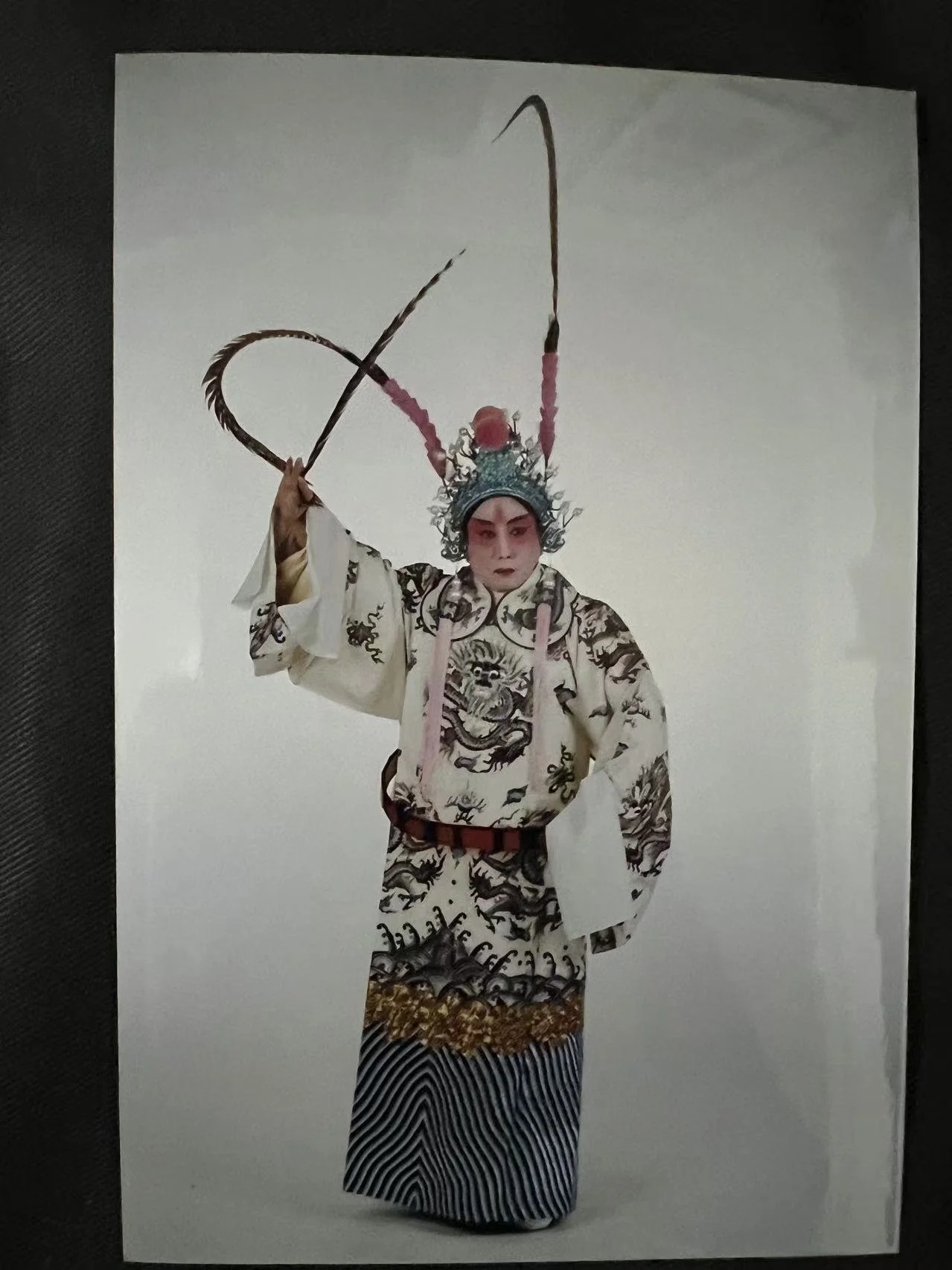
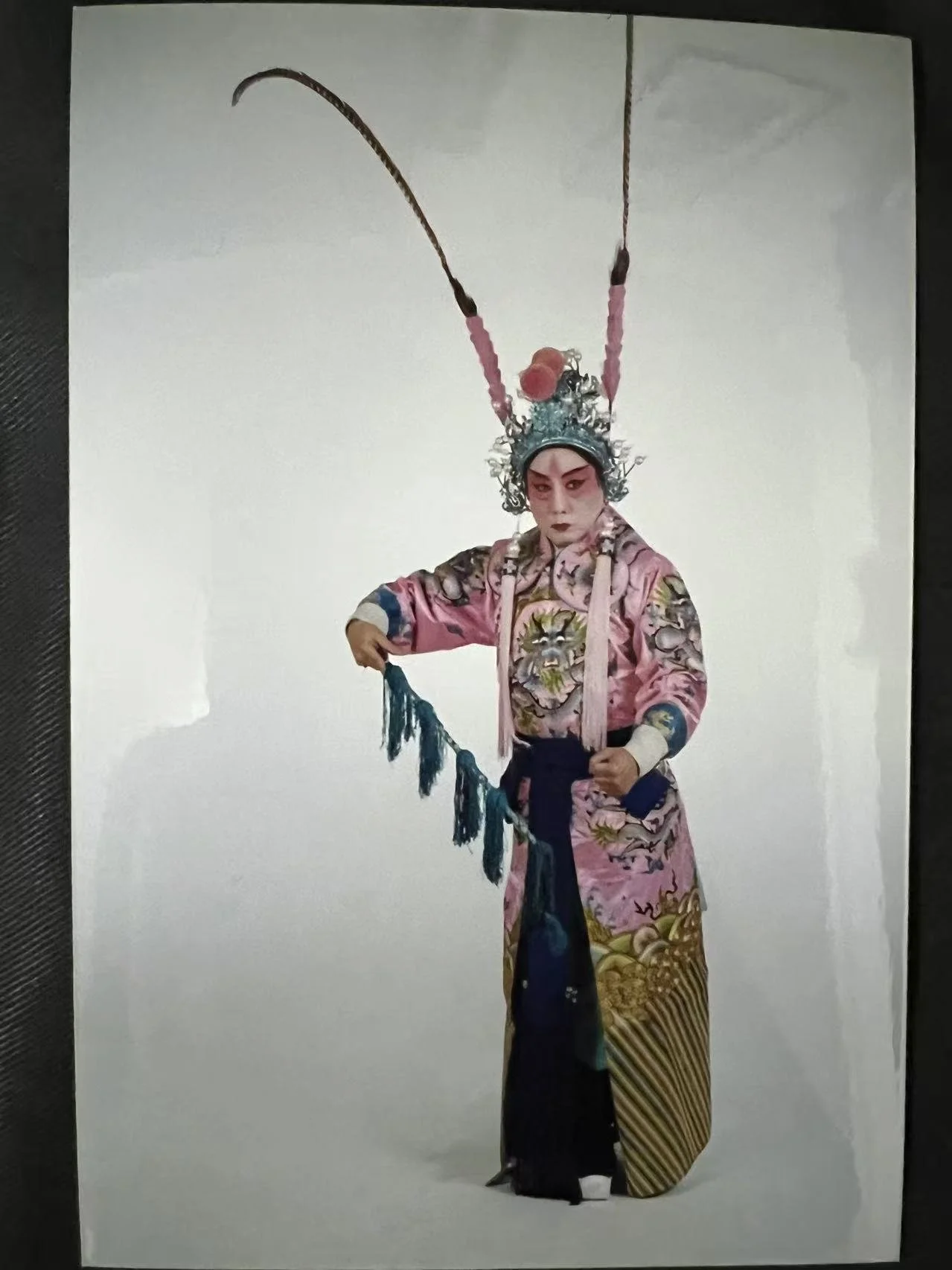
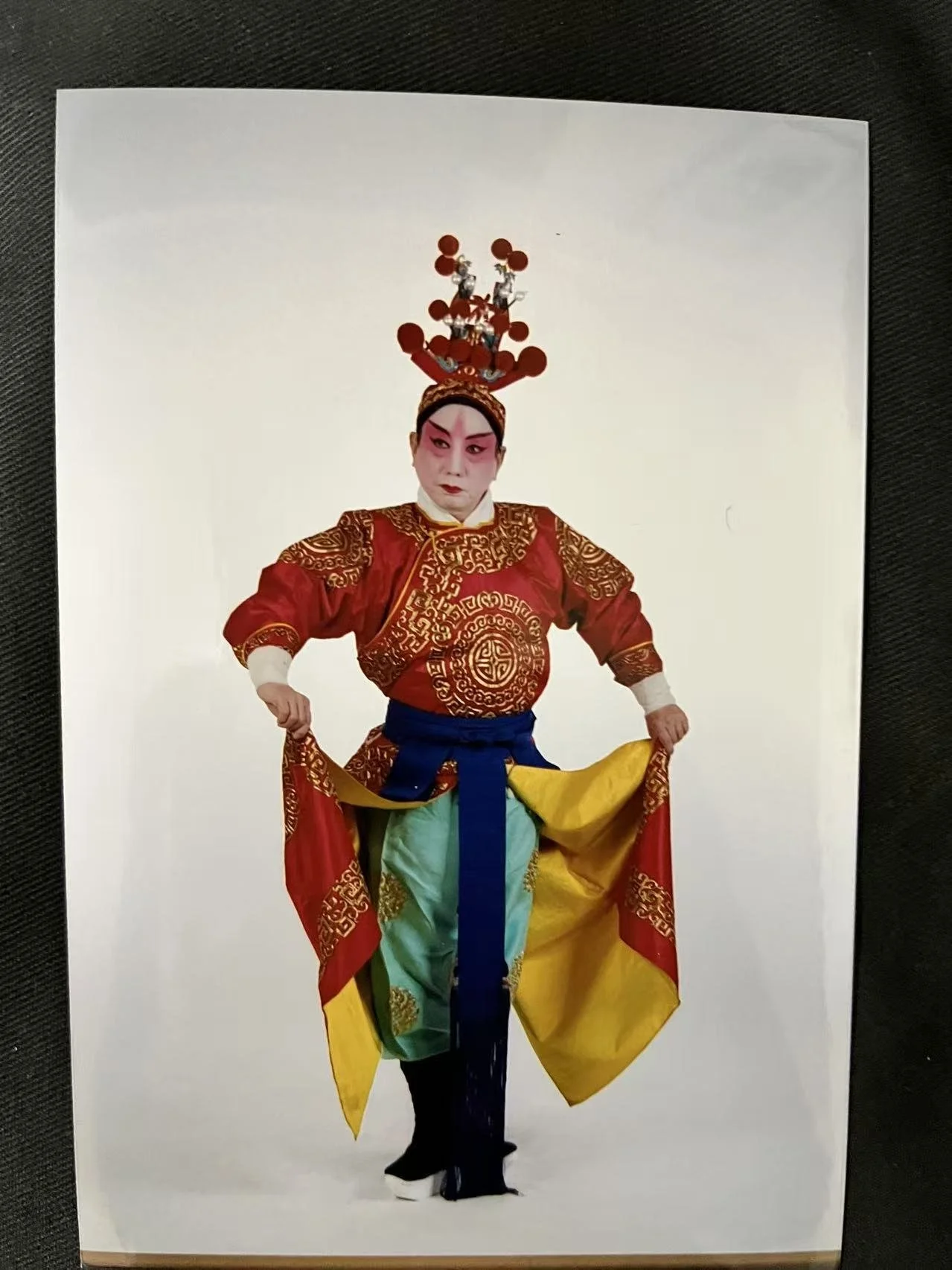
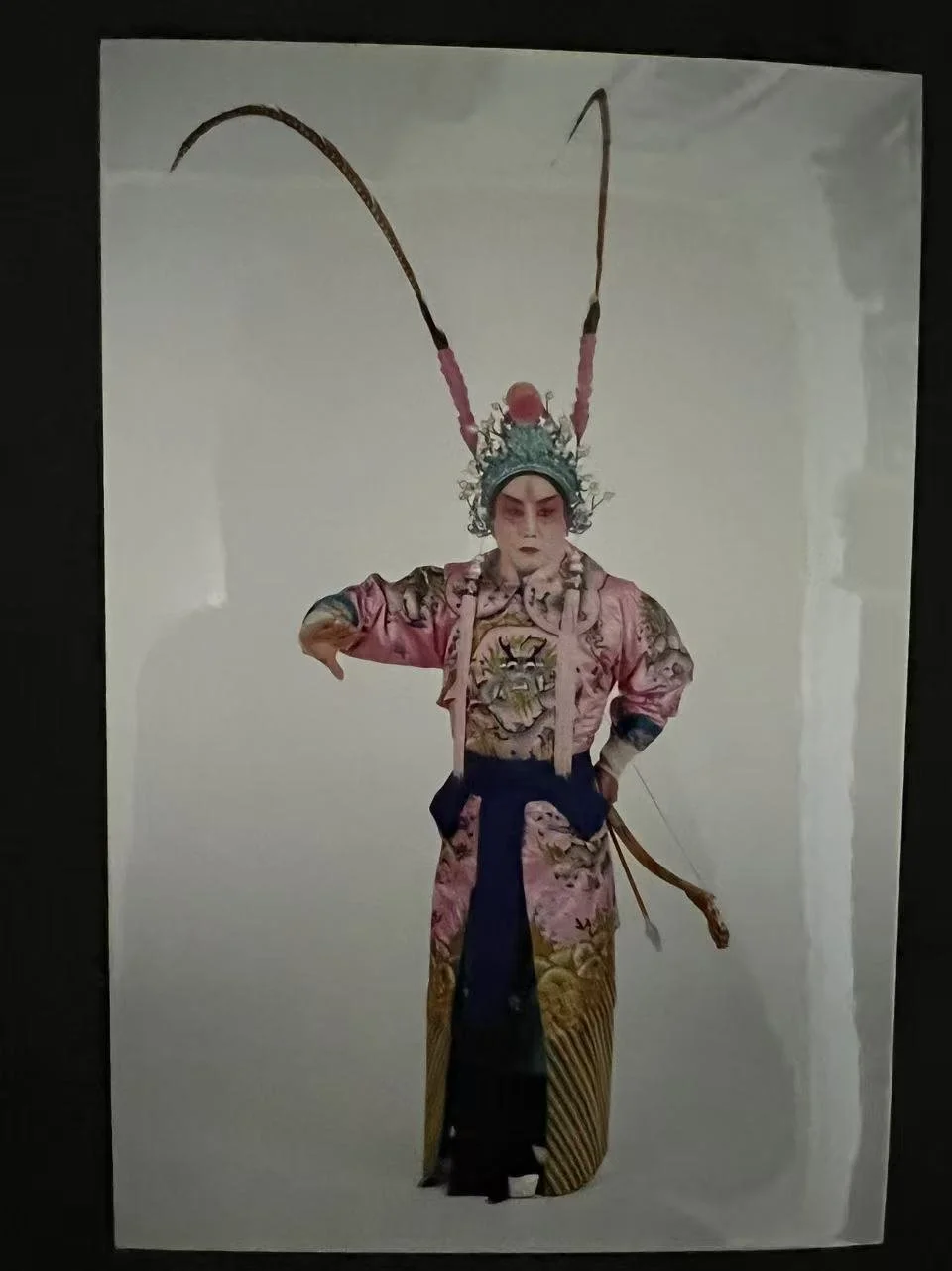
"I remember meeting one of the JACL representatives years later," Norman Cheng said. "He told me he was born in one of the incarceration camps during the war. I asked him why a Japanese American organization would sponsor a Chinese opera program. He said he was American, but because of what his community had lived through, they wanted to work to prevent that from happening again. He said they felt my father's project was helping people understand each other better."
When CUHK invited Dr. Cheng to return and teach in 1980, Washington State University wouldn't release him right away, and it took until 1982 for him to actually arrive in Hong Kong. Once there, he didn't stop at lecturing. He rallied a small group of Hong Kong backers to fund a performance series that brought leading opera troupes from mainland China to local audiences, running every spring and autumn from 1983 through 1988 at the Sunbeam Theatre. Because much of the audience had little background in opera, Dr. Cheng trained CUHK students to explain the story and the movements to the crowd during each show's opening and intermissions.
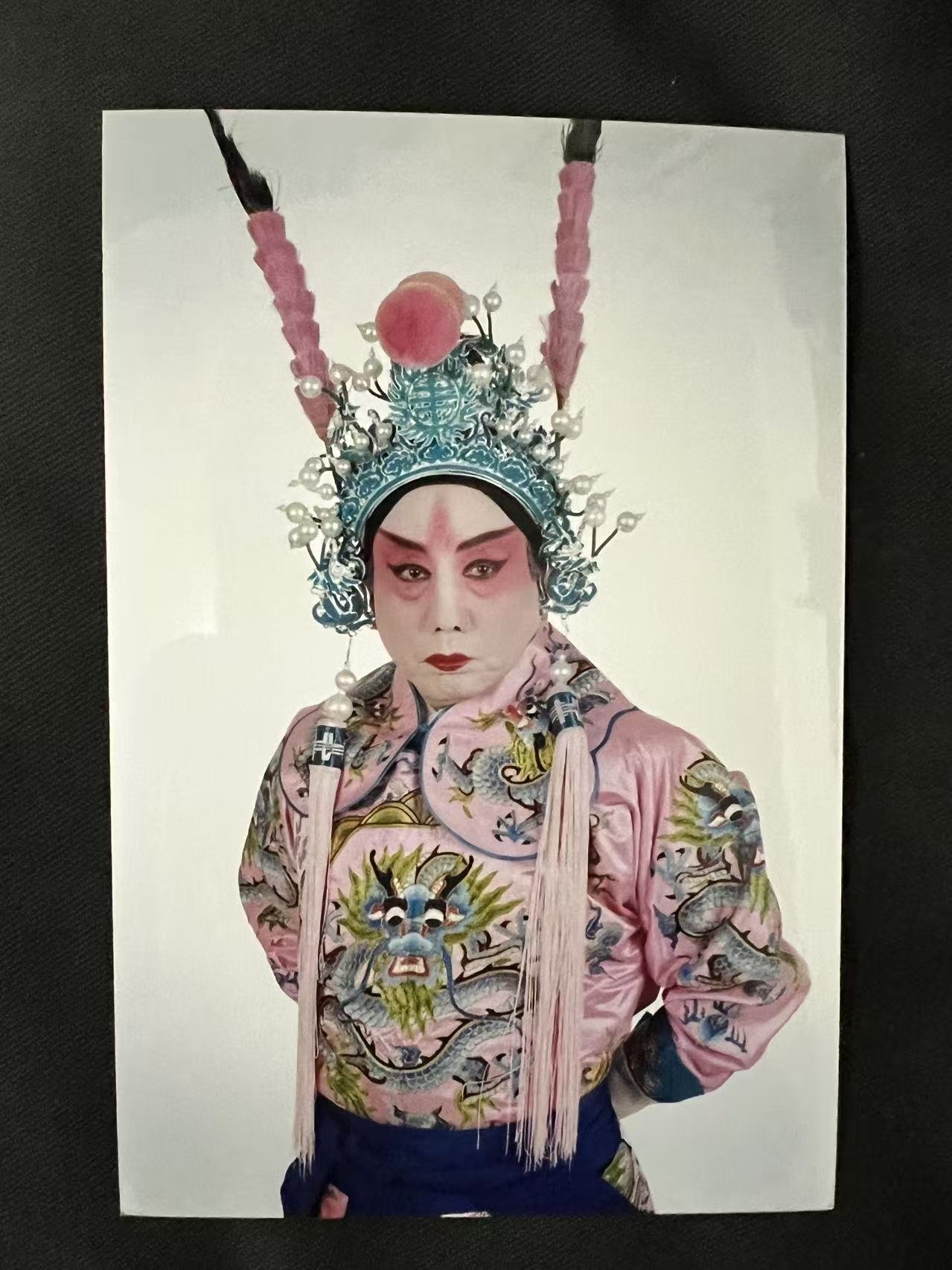
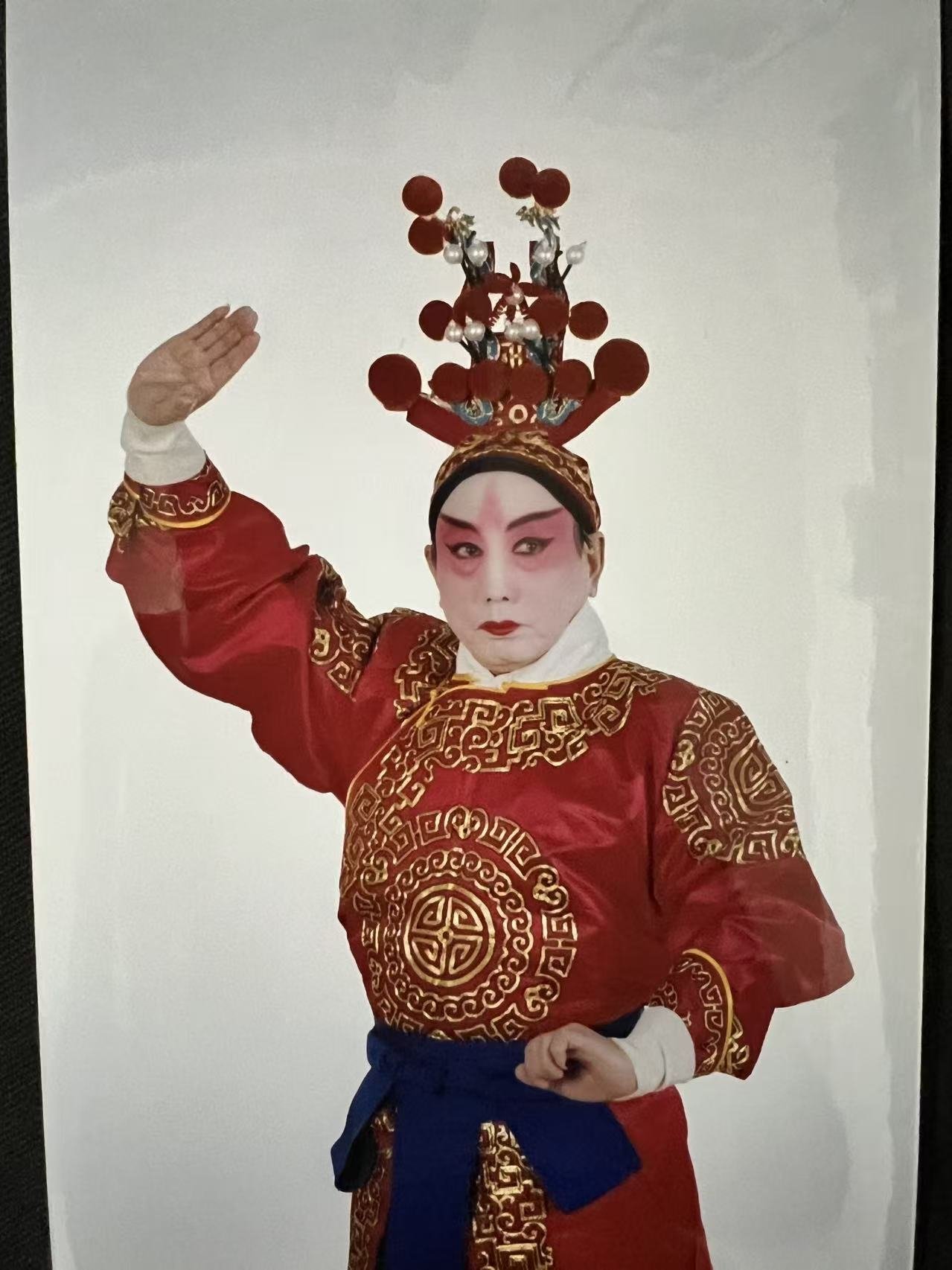
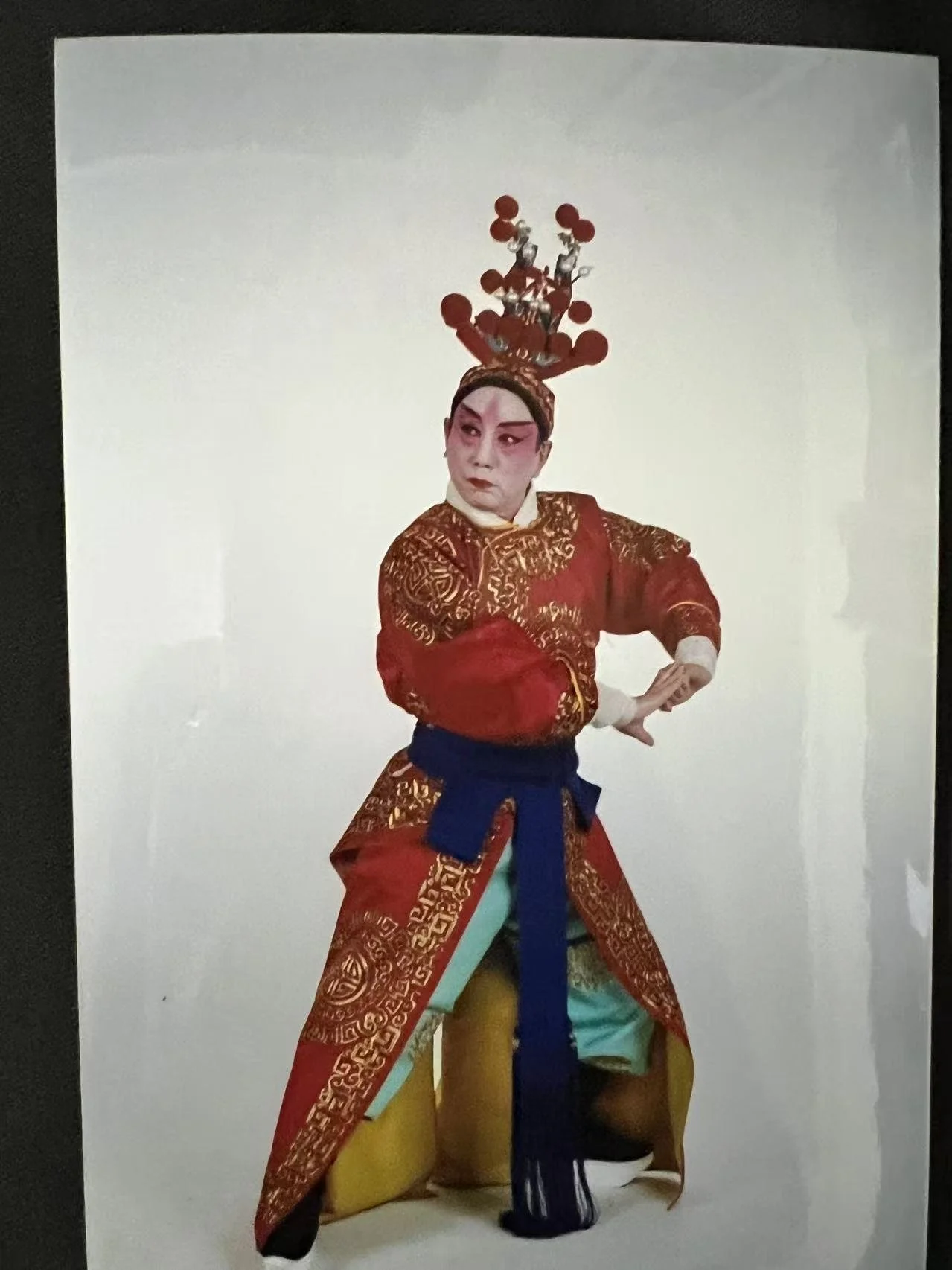
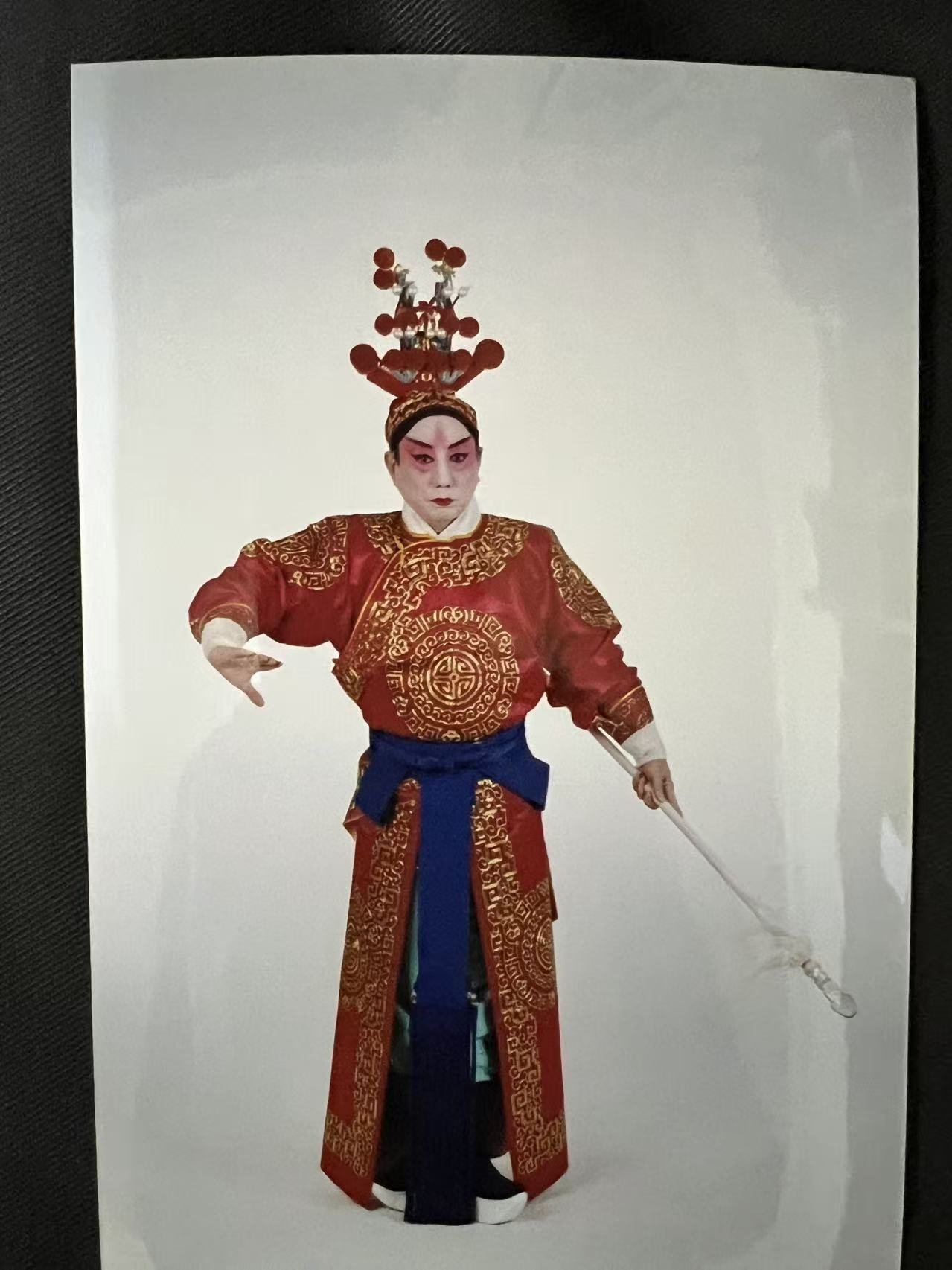
His devotion to the art form went back further than any of it. In a letter to a former classmate written while he was still living in the United States in the 1970s, years before the Hong Kong festivals began, Dr. Cheng described himself this way: "I am not only a fool, but sometimes a madman, a madman who has gone crazy over Peking opera. My wife scolds me for it, my friends scold me for it, and now I even scold myself for it."
Strategic Sports was founded in 1991, the same year Dr. Cheng's term as Dean at CUHK came to a close. The opera festivals and the deanship came first. The company came after, changing Dr. Cheng’s plans to retire.
"People here know him as my co-founder and as someone obsessed with getting a helmet standard right," Norman Cheng said. "What they didn't always know is that before any of that, he spent years convinced that the best way to keep a culture alive was to hand it to the next generation and let them perform it themselves. CUHK preserving that work means it's not something we just talk about in our family anymore. It's part of the university's record now."