
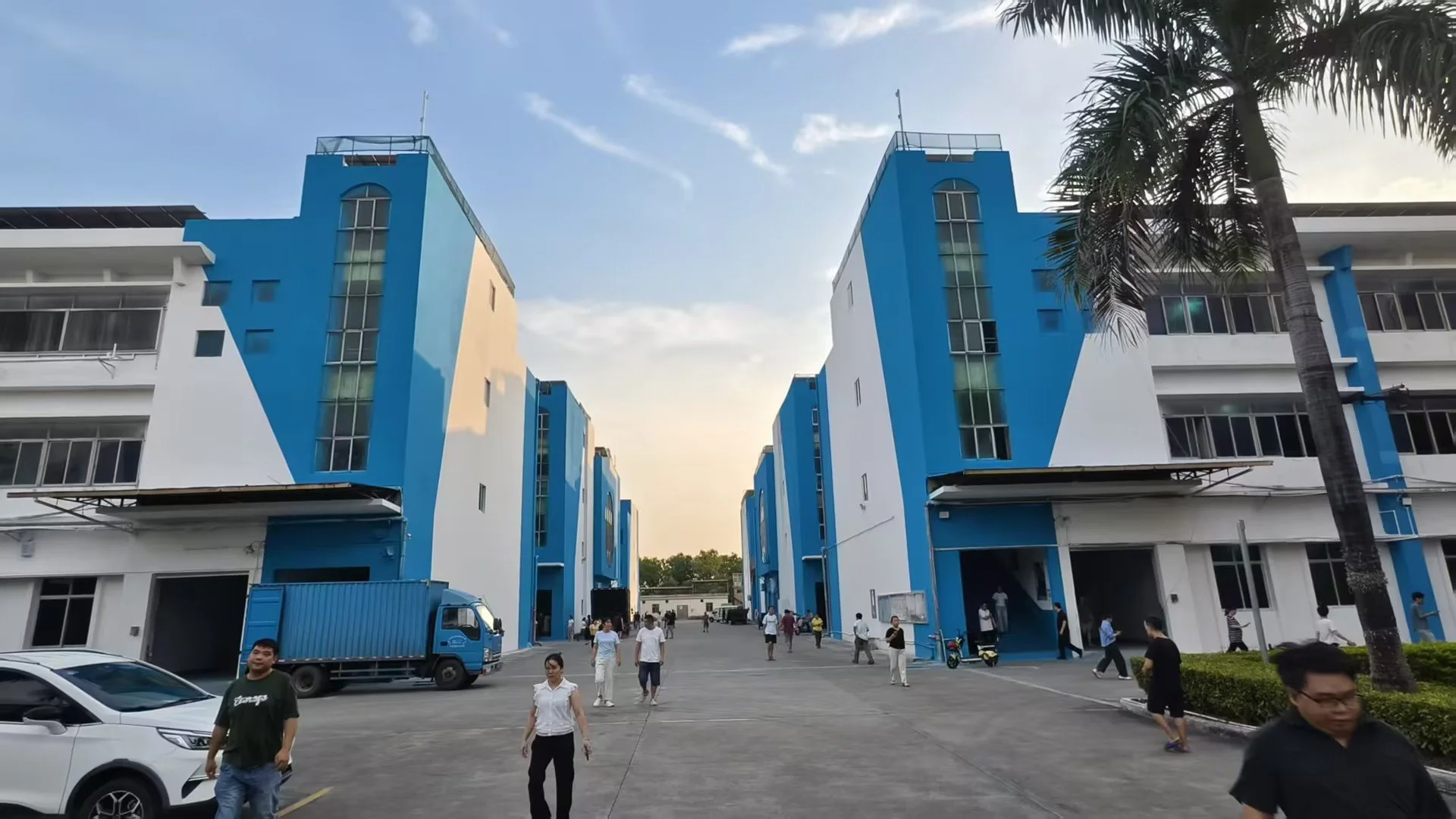
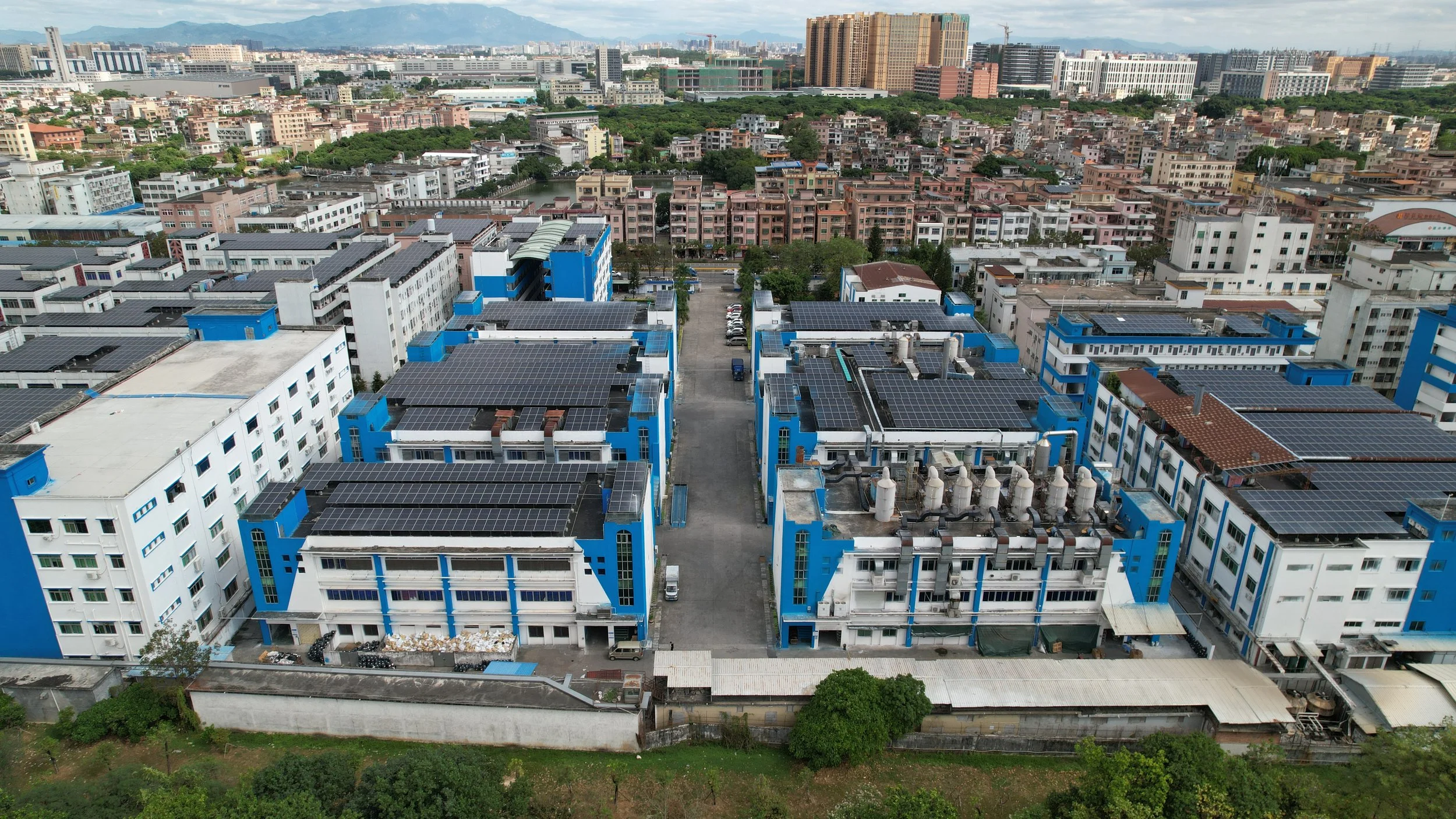
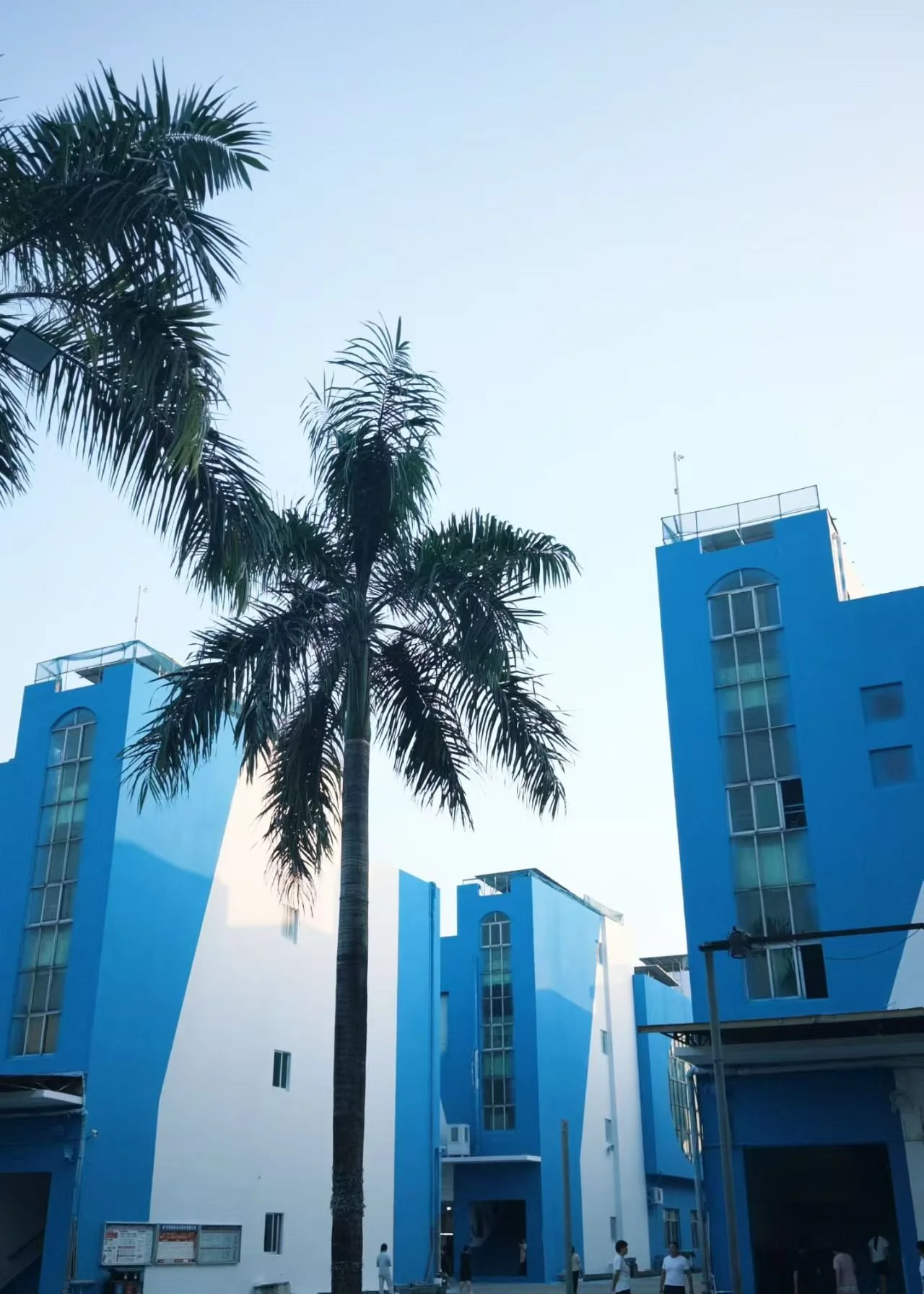
Our Chashan factory has a new look. Everyone can see the fresh blue and white finish on its walls from afar. But the real change happened first on the inside, with major upgrades to the processes we use to make products for our partners.
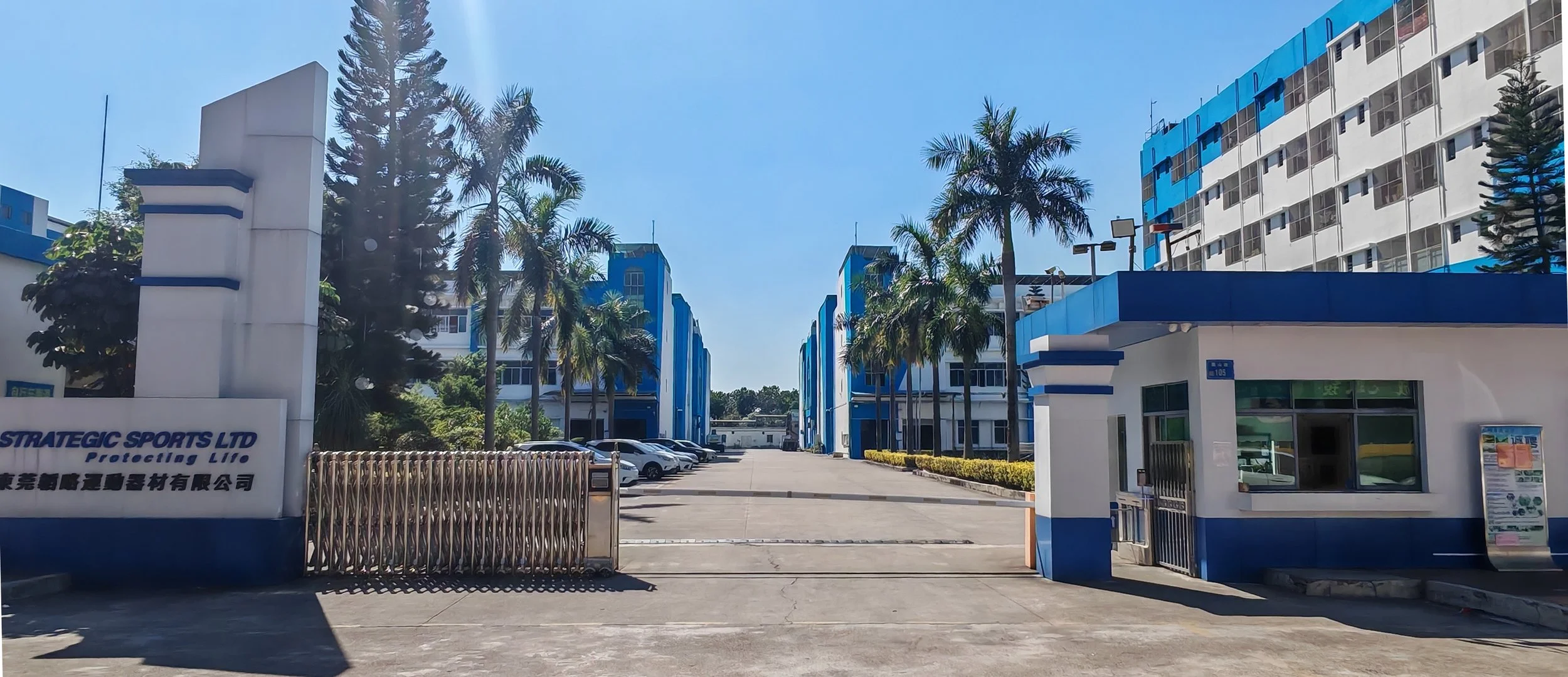
We rethought how our factory works, from the layout of our buildings to the way we assemble each helmet, with a focus on efficiency and advanced technology at every stage. The new exterior came last, to reflect on the outside the evolution that’s happened inside.
"Our factories constantly grow and evolve," said Norman Cheng, Managing Director of Strategic Sports. "We started by focusing on advancing and improving our processes where the products are made. The painting on the outside reflects what we have done, so people can see the improvements."
Starting with the Flow
We began with value stream mapping, or VSM. The idea is simple: follow a product through every step, from raw material to finished goods, and look for wasted time, motion and distance along the way.
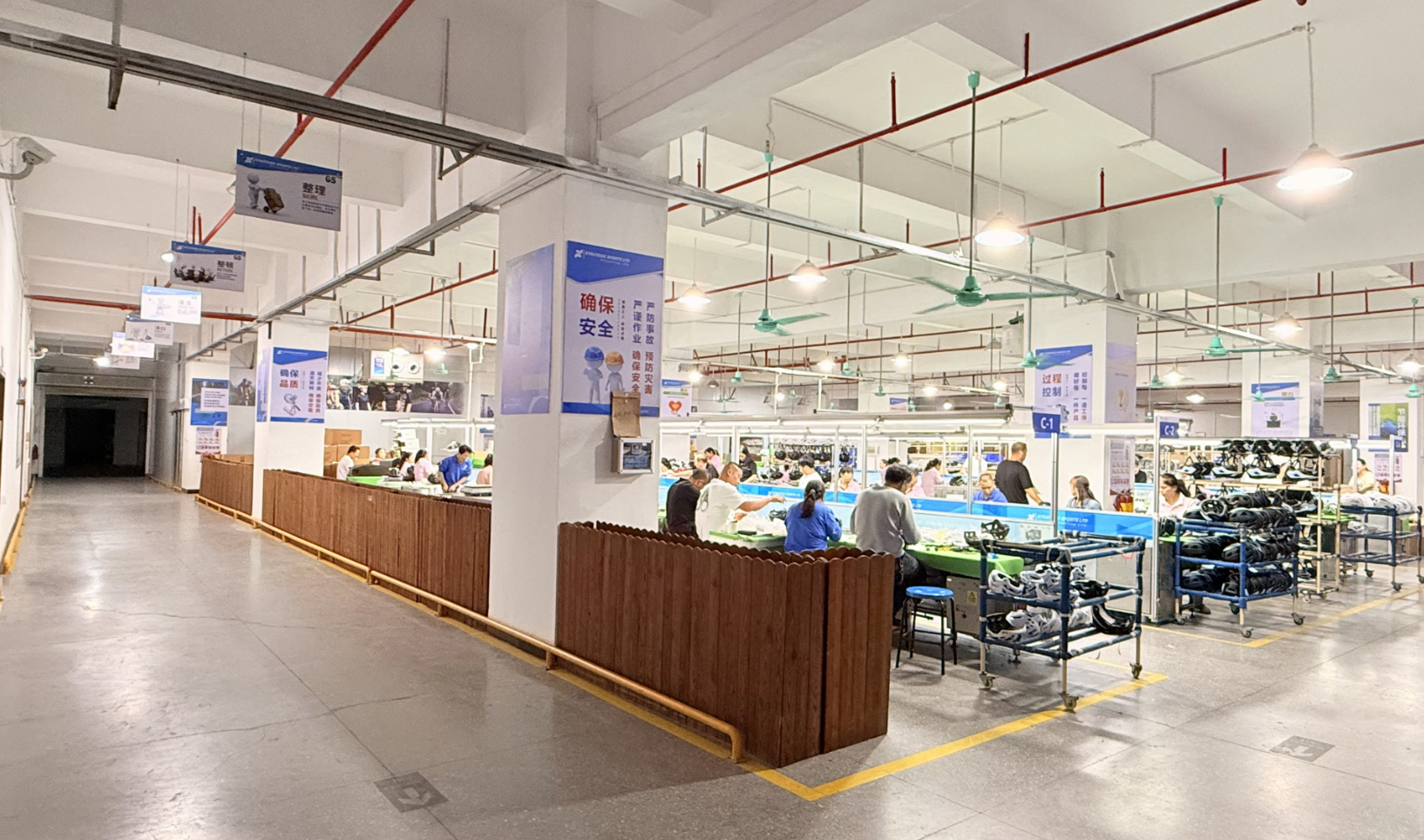
What we learned led us to reorganize the campus around how each type of helmet is made. Each product family now has its own path:
FRP shells move from lamination and polishing to painting, water decals and assembly.
ABS and moto helmets go from injection molding to painting, water decals and assembly.
In-mold helmets move from printing, vacuum forming, cutting and EPS molding to assembly. Models that need paint branch off for painting and water decals first.
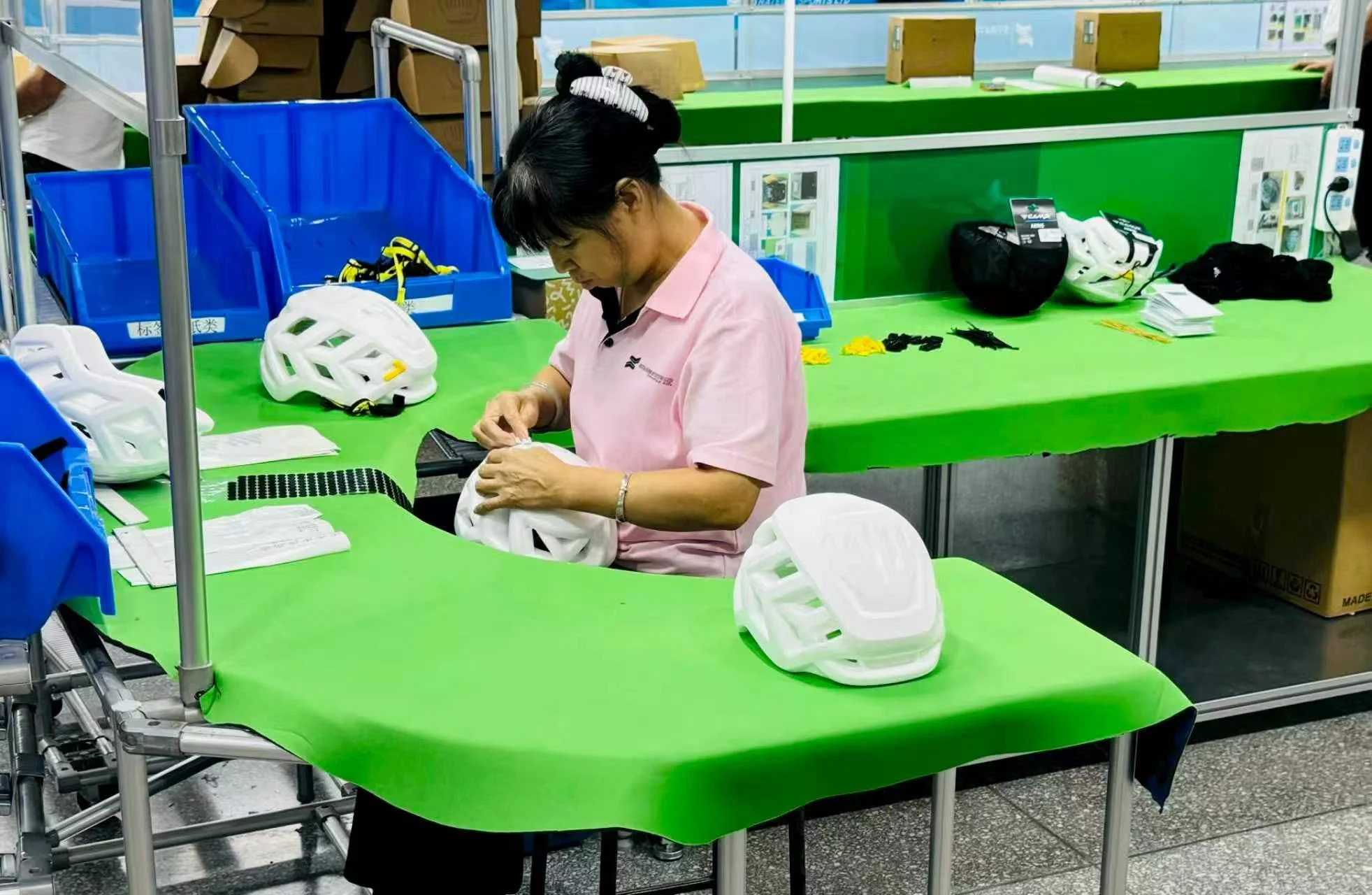
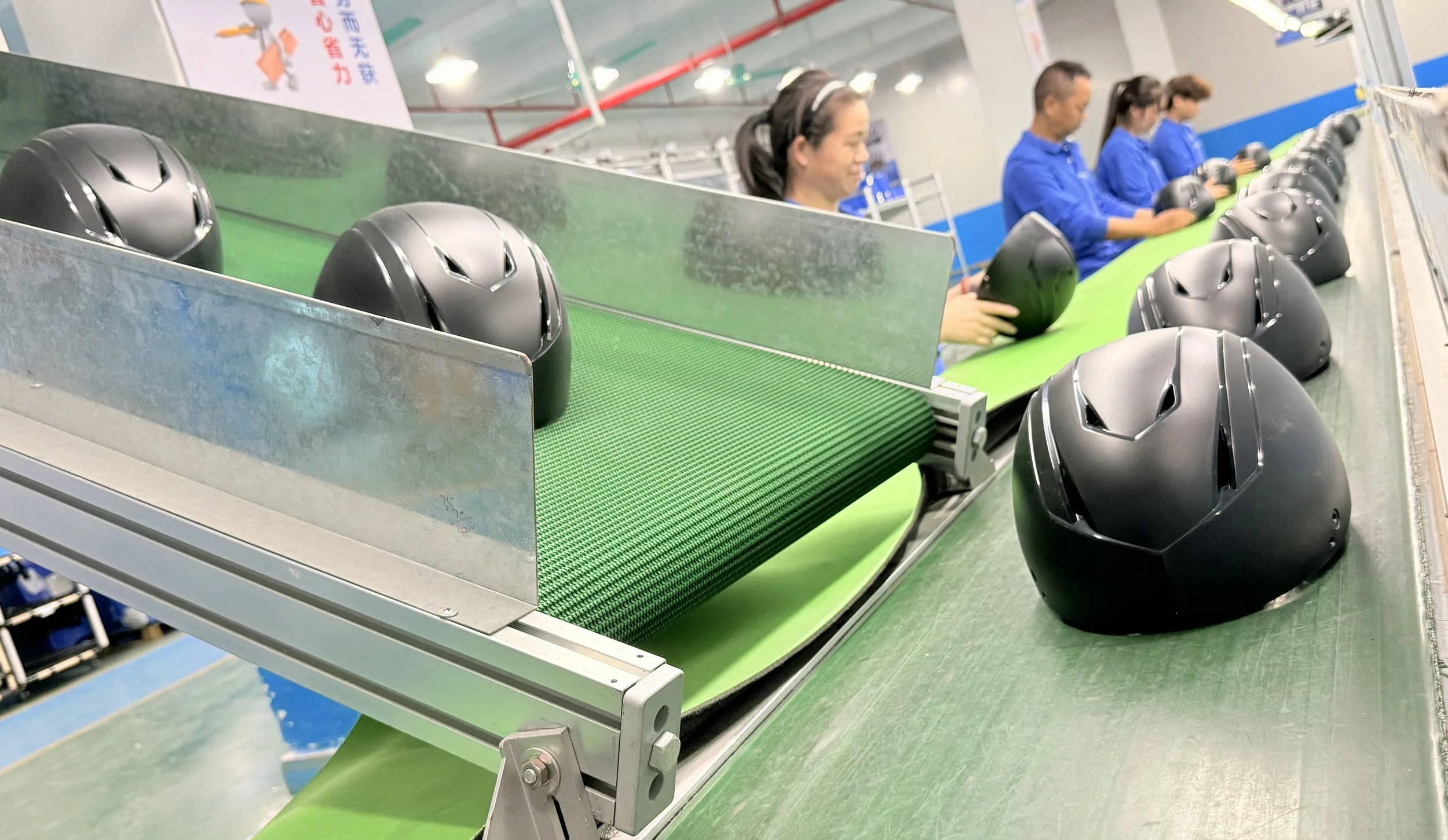
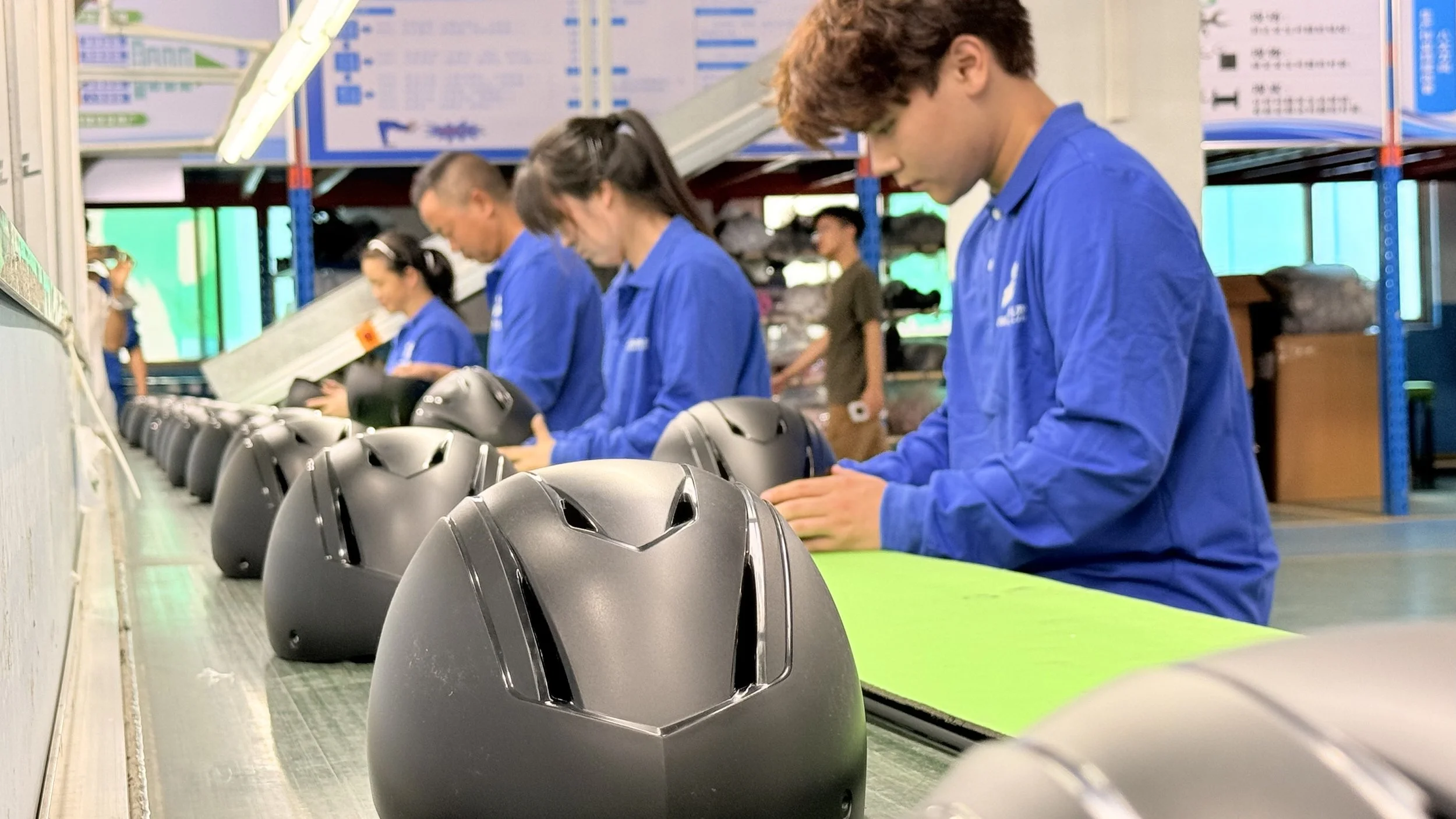
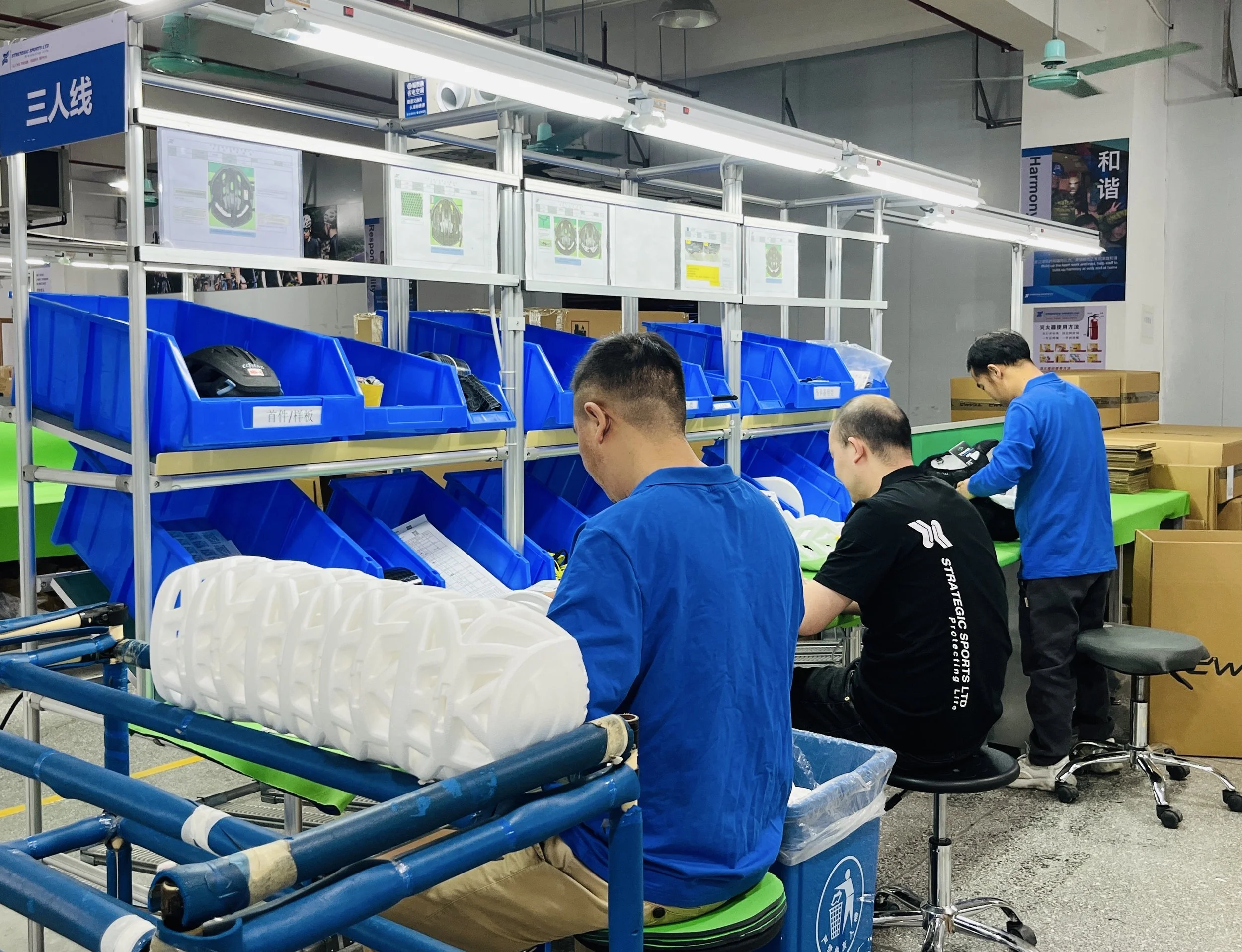
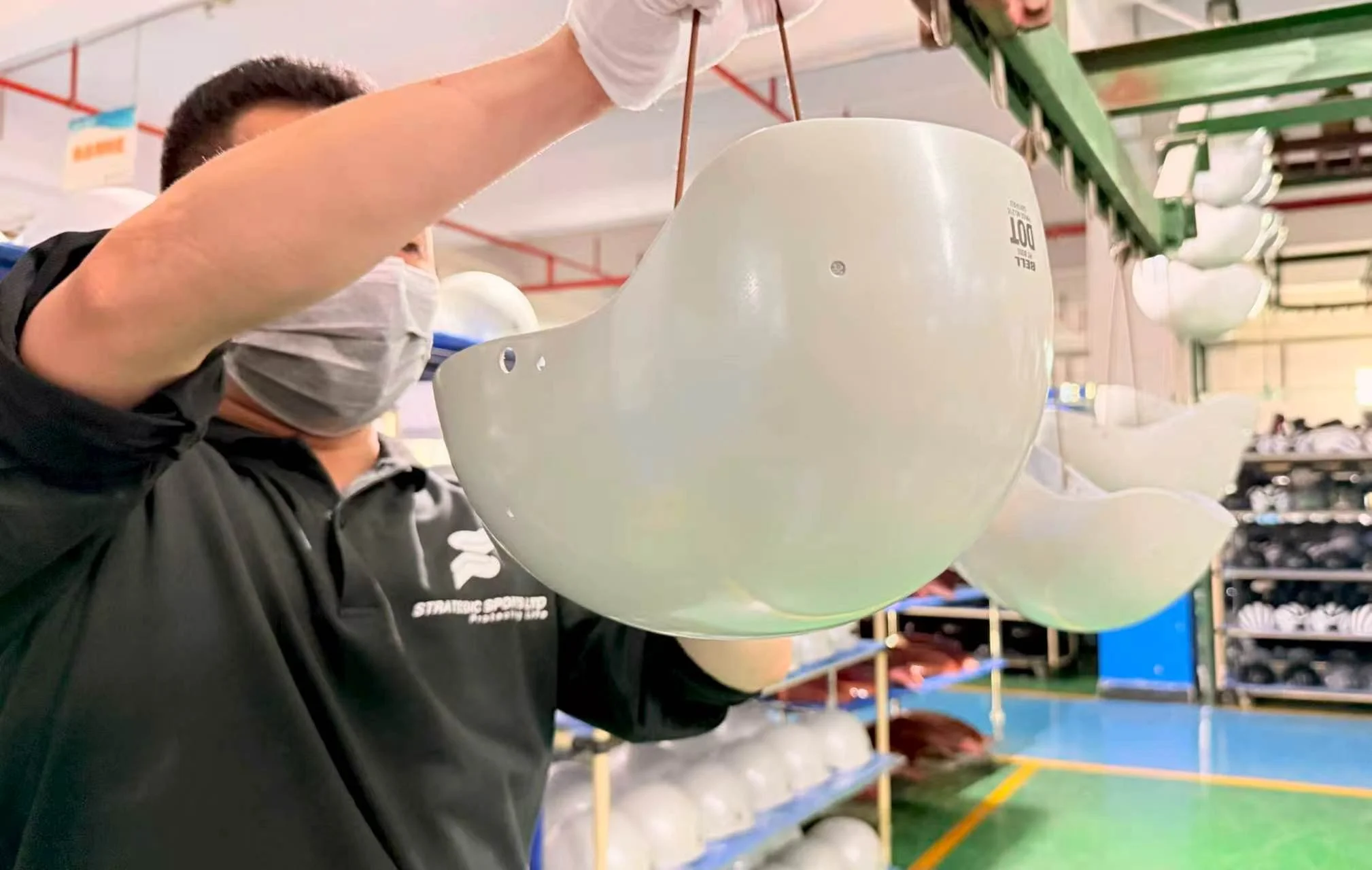
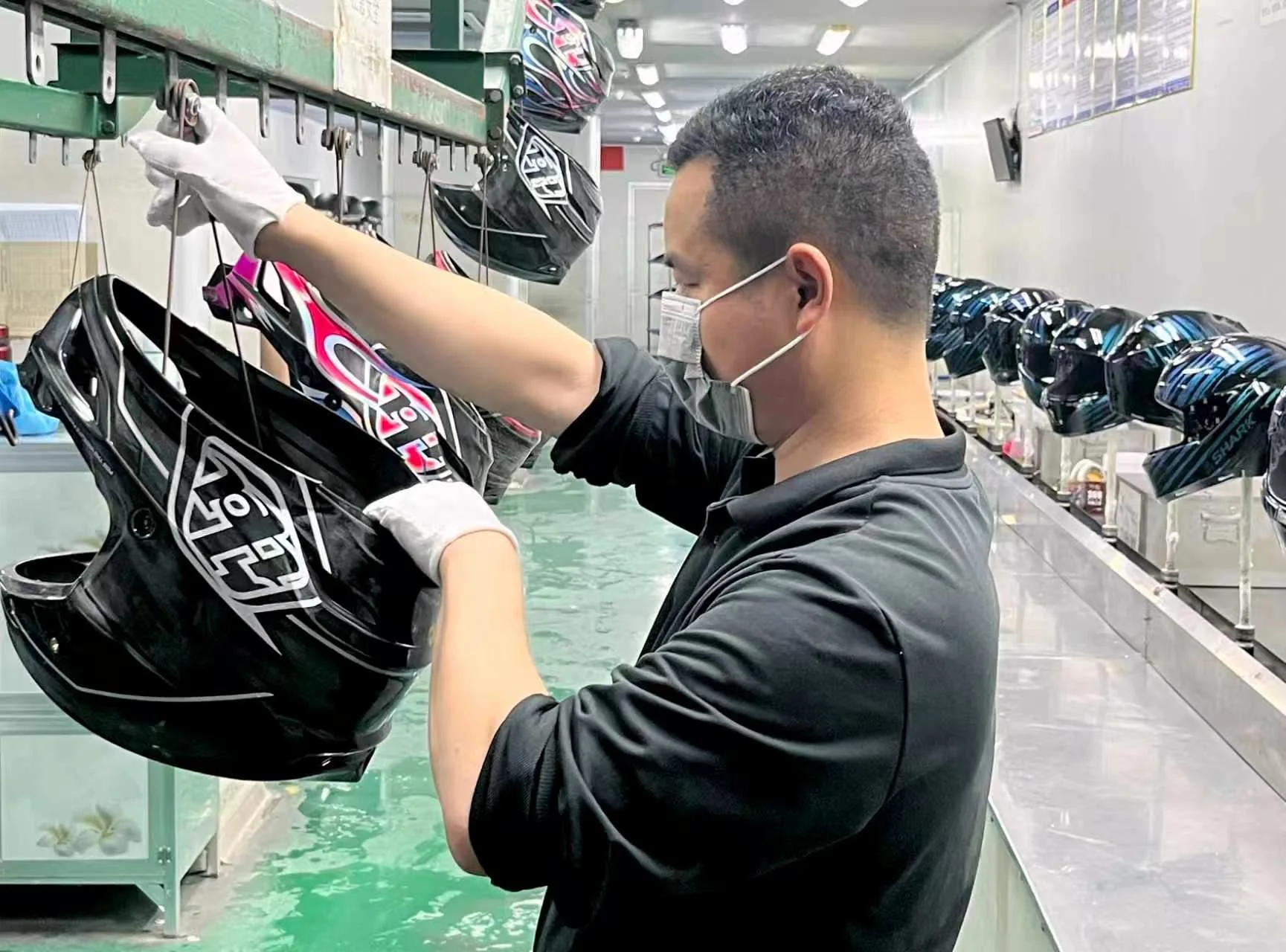
Inside each building, the floors follow the process in order, so a helmet moves step by step through one building instead of back and forth across the campus. Dedicated "supermarket" floors hold materials and parts so the lines can pull what they need when they need it. New automation supports the flow at key steps.
Product-Centric Assembly
Helmet assembly traditionally ran on long, straight lines. Now we shape the line to fit the product. Many models are assembled on U-shaped lines, which keep operators close together and make it easier to share work and spot problems early. Some products are built in single cells, where a small team handles assembly from start to finish.
"Every helmet has different needs," Cheng said. "The line should serve the product."
A New Factory Process Deserves a New Look
Once the inside was done, we turned to the walls. We chose a water-based real stone paint made with natural quartz sand. It goes on in three layers: a sealing primer, a flexible stone mid-coat that resists cracking and a self-cleaning topcoat that lets rain wash the surface. The supplier rates it for more than 15 years of service.
The paint is better for the people inside, too. The supplier lists its VOC content at 5 to 10 grams per liter, well under China's national limit of 120, with no formaldehyde, benzene or heavy metals. According to the supplier, its reflective surface can lower wall temperatures by 8 to 12°C and indoor temperatures by 3 to 5°C in summer. That means a cooler workspace and less energy spent on air conditioning. It also gives us the look of stone without quarrying any.
What It All Adds Up To
People First means giving our team a place where the work flows, the air is cleaner and the building is something to be proud of. It's the same thinking behind the solar power, rainwater recycling and coal-free biomass steam at our Vietnam factory.
"When people walk into Chashan, I want them to feel the change before anyone explains it," Cheng said. "The new walls tell them something is different. The work inside shows them why."
While we renovated, we also turned the garden into a cycling pump track and the koi pond into a jump. What happened to the koi? They were released nearby to live out their long lives.
Come visit and we'll go for a ride!